 info@globaxsolutions.com
  +91-790-200-2800
Your 7-Step Roadmap: How to Start a Profitable Import Business
1. Introduction: Demystifying the Import Business
Hook: Starting an import business might seem complex, but it follows a clear, predictable process. Success hinges on research, compliance, and reliable partnerships.
The Goal: This guide provides a strategic 7-step roadmap to move from initial idea to successfully importing your first consignment, maximizing profit while minimizing customs delays.
## 2. 🎯 Step 1: Research & Product Selection (The Foundation)
Do not import based on a guess—import based on data.
A. Identify Profitable Products: Use tools like ITC Trade Map to analyze local demand and compare domestic selling prices against the landed cost of imports. Look for products with high demand and low local availability.
B. Check Import Regulations: Before investing, check if the product is restricted or prohibited by the customs authority (e.g., DGFT in India). Note mandatory certifications (BIS, FSSAI, etc.).
Tip: Find a product where you have a unique distribution advantage or a strong existing market network.
## 3. 📜 Step 2: Essential Legal Formalities & Licensing
Establish your company’s legal footing for trade.
A. Business Registration: Register your business as a legal entity (Proprietorship, Private Limited, etc.).
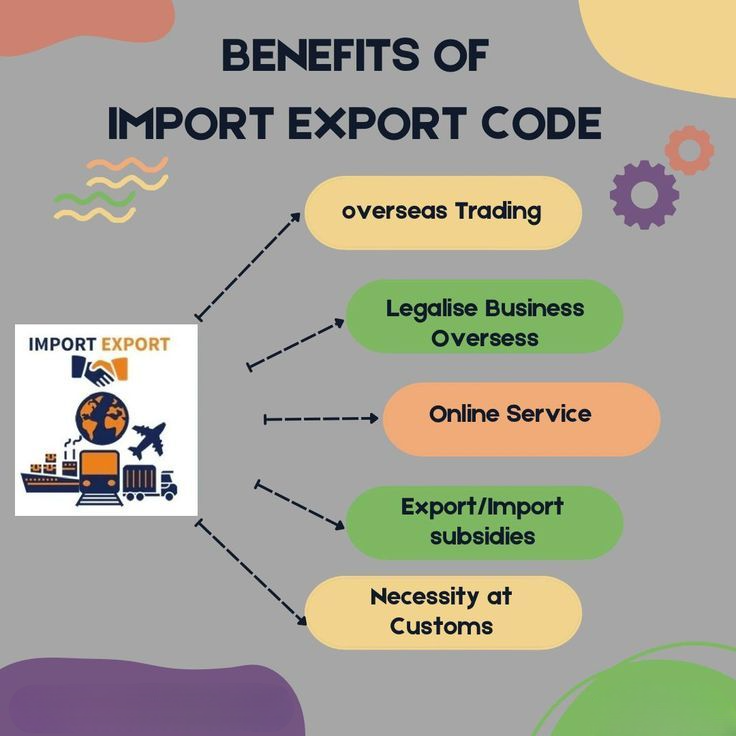
B. Obtain the Import-Export Code (IEC): This is mandatory. Apply to the DGFT (Directorate General of Foreign Trade) for your IEC.
C. Register with Tax Authorities: Obtain necessary tax IDs (GST/VAT, etc.) and register with Customs authorities for official filing procedures.
## 4. 🔎 Step 3: Foreign Supplier Identification and Verification
Finding the right supplier is the biggest risk mitigation factor.
A. Sourcing Channels: Use B2B portals (Alibaba, Global Sources), trade fairs, and specialized industry directories (e.g., Thomasnet for industrial parts).
B. Due Diligence (Verification):
Action: Verify the supplier’s business license, manufacturing capacity, and export history.
Globax Tip: Insist on a third-party quality control (QC) inspection agency to inspect the goods before shipment and payment finalization.
C. Sample Testing: Always import a small sample consignment to check product quality and regulatory fit before placing a bulk order.
## 5. 💰 Step 4: Cost Modeling and Contract Negotiation
Know your total financial liability down to the last rupee.
A. Calculate Landed Cost: Factor in Product Price + Ocean/Air Freight + Insurance + Import Duty + Customs Clearance Fees + Local Transport. This is your true “cost of goods sold.”
B. Use Incoterms: Clearly define responsibility using Incoterms (e.g., FOB, CIF, DDP). For beginners, FOB is often preferred, giving you control over freight.
C. Payment Terms: Negotiate safe payment methods like Letter of Credit (LC) for large orders, or use platforms offering Trade Assurance for smaller/initial orders. Avoid 100% upfront payments.
## 6. 🚢 Step 5: Logistics, Shipping, and Documentation
The physical movement of goods and paperwork.
A. Appoint a CHA (Customs House Agent): A good CHA is indispensable. They handle all documentation, customs clearance, duty payments, and inspection formalities.
B. Select Freight: Choose between Air Freight (fast, costly, good for small/perishables) or Ocean Freight (slow, cheap, good for bulk). Use freight forwarders for competitive quotes.
C. Critical Documents: Ensure you receive the Bill of Lading/Air Waybill, Commercial Invoice, Packing List, Certificate of Origin, and any required Quality Certificates from the supplier.
## 7. 🏛️ Step 6: Customs Clearance and Delivery
The final hurdle.
A. Filing the Bill of Entry: Your CHA files the Bill of Entry with Customs, declaring the goods, value, and duty classification.
B. Duty Payment: Pay the calculated Customs Duty and taxes.
C. Inspection: Goods may be subject to examination by Customs. Once cleared, the CHA secures the Let Export Order (LEO), and the goods are released for local transportation.
## 8. 🚀 Step 7: Sales and Distribution
Turning imported goods into profit.
A. Inventory Management: Ensure proper warehousing and minimal holding time to manage working capital.
B. Marketing: Use digital marketing (social media, SEO) and traditional channels to distribute your unique imported product.
## 9. Conclusion: Start Small, Scale Smart
Summary: Starting an import business requires due diligence in supplier verification, meticulous documentation, and a strong partnership with a CHA. Start with a single product and target market, and scale strategically.
Contact us for more details of & Your registration
Our team will be happy to assist you
Mobile: +91-790-200-2800
