 info@globaxsolutions.com
  +91-790-200-2800
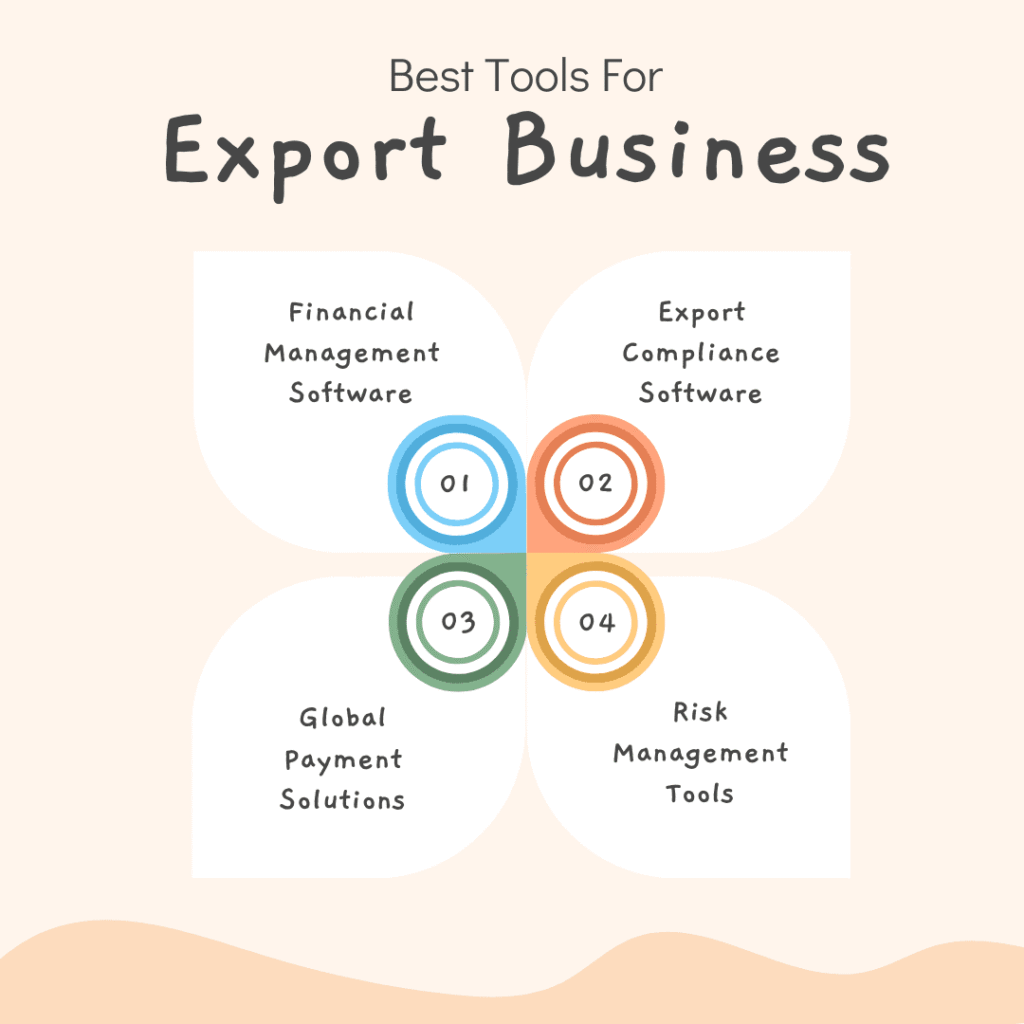
The Essential Automation Tools for Modern Export Businesses
1. Automation for Compliance and Documentation
This is the most critical area for automation, as mistakes here lead to the highest costs (fines, delays, and lost clients).
A. Automated Trade Compliance Software (TCS)
TCS platforms are designed to handle the complexity of global regulations.
HS Code Verification: These tools automatically verify your Harmonized System (HS) codes against the latest tariffs and regulations in your destination country, flagging discrepancies before shipment.
Restricted Party Screening (RPS): Automation instantly checks all parties involved in a transaction (buyers, brokers, carriers) against global sanctions lists, ensuring you do not violate export controls.
Automated Document Generation: From commercial invoices and packing lists to certificates of origin, TCS platforms can pull data directly from your order system (ERP/CRM) and auto-populate all necessary export documents, drastically reducing manual entry errors.
B. Customs Brokerage Integration
Tools that integrate directly with your customs broker or forwarder via API allow for instant, error-free data transfer, accelerating clearance times and providing immediate visibility into regulatory holds.
2. Automation for Sales and Finance
Fast, accurate pricing is essential for winning B2B contracts. Manual quoting is slow and highly prone to error.
A. Automated Landed Cost Calculators (LCC)
International buyers need to know the total cost of their order—the Landed Cost—which includes the product price plus duties, tariffs, VAT, freight, and insurance.
Instant Quoting: LCC tools integrate real-time exchange rates and tariff databases to instantly provide the buyer with an accurate, all-inclusive price based on the desired Incoterm (e.g., CIF, DAP).
Incoterm Clarity: These tools simplify complex Incoterms by automatically calculating risk and cost responsibilities for both you and the buyer, eliminating confusion that stalls sales.
B. Automated Order-to-Cash (O2C)
O2C automation manages the entire revenue cycle, from initial order placement to final payment reconciliation, flagging delayed payments or discrepancies without manual chasing.
3. Automation for Logistics and Visibility
Once the order is placed, automation ensures the product moves through the supply chain with maximum speed and transparency.
A. Freight Management Systems (FMS)
FMS platforms streamline the process of finding the right carrier and booking space.
Automated Rate Shopping: Instantly compare quotes from multiple carriers (air, ocean, road) to find the best rate and transit time for every shipment.
Booking and Tracking: Automate the booking request and receive real-time, consolidated tracking updates that you can share directly with your buyers, providing superior customer service.
B. Warehouse and Inventory Synchronization
Tools that integrate your inventory management system (IMS) with your export order system ensure that stock levels are updated instantly upon order confirmation. This prevents selling product that is already committed, which can damage buyer trust and delay fulfillment.
4. The Globax Solutions Advantage: Integrating Your Tools
Implementing automation does not mean replacing all your existing systems; it means finding tools that integrate seamlessly with your ERP (Enterprise Resource Planning), CRM (Customer Relationship Management), and your logistics partner (Globax Solutions).
When your sales, inventory, and compliance systems talk to your logistics team automatically, you gain:
Real-Time Data: Immediate alerts on changes, delays, or compliance issues.
Audit Trail: A complete, digital record of every decision and document for simple regulatory auditing.
Strategic Growth: Your team spends less time processing paperwork and more time expanding into new, profitable markets.
Contact us for more details of & Your registration
Our team will be happy to assist you
Mobile: +91-790-200-2800