 info@globaxsolutions.com
  +91-790-200-2800
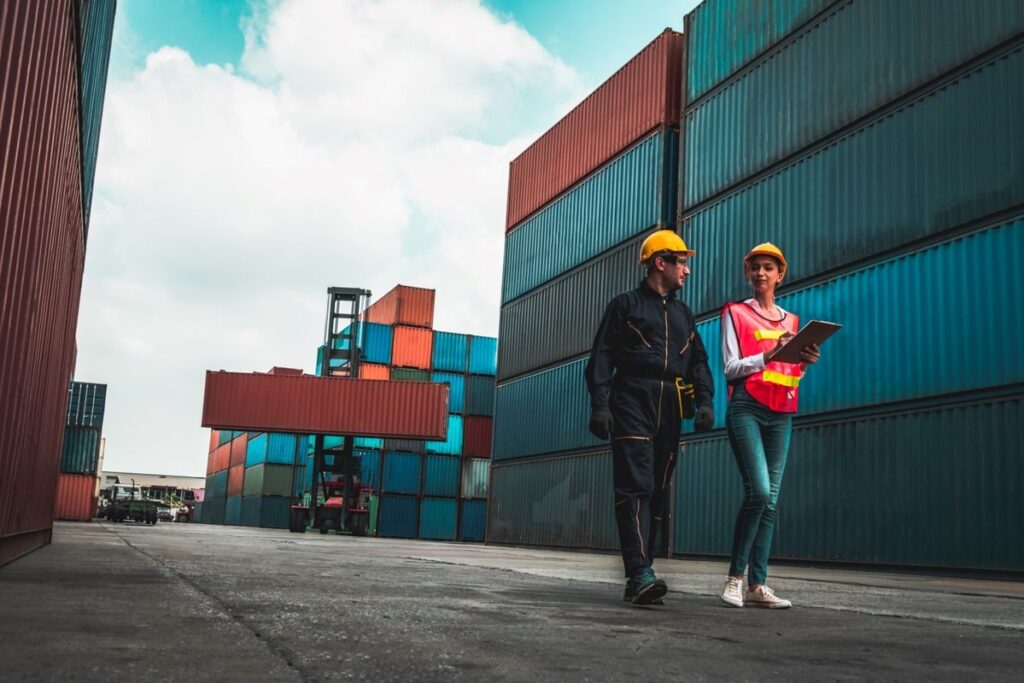
The 9-Step Export Shipment Process: A Guide to Seamless Logistics and Customs Clearance
Introduction: From Factory Floor to Foreign Shore
Hook: Securing an export order is only half the battle. The other half—the export shipment process—involves a precise sequence of logistics, documentation, and coordination. One misstep can lead to severe delays and costly penalties.
The Globax Advantage: We believe shipping should be seamless. This 9-step guide breaks down the entire export shipment process, giving you the clarity needed to manage your goods efficiently and ensure perfect customs compliance.
Step 1: Order Confirmation and Commercial Documentation
The process begins after receiving the buyer’s Purchase Order (P.O.).
Final Invoice: Prepare the Commercial Invoice and Packing List. These documents must accurately reflect the agreed-upon price, quantity, and Incoterm. Accuracy is paramount, as customs will rely on these.
Ready-to-Ship: Ensure goods are properly packaged, labeled, and marked as per international standards and the buyer’s instructions.
Step 2: Freight Forwarder and CHA Appointment
You need specialists to manage the physical and regulatory complexity.
Freight Forwarder (FF): Select a reliable FF to handle booking space on the vessel/aircraft, advise on the best routing, and manage global transit.
Customs House Agent (CHA): Appoint a CHA who specializes in your product. The CHA handles the filing of mandatory documents with local customs.
Step 3: Freight Booking and Rate Finalization
This step locks in the cost and schedule for the shipping leg.
Booking: Your FF books space with the shipping line or airline. They will provide a Booking Confirmation, which specifies the vessel name, cut-off times, and delivery point (e.g., CFS or port terminal).
Incoterm Check: Ensure the freight terms align with the Incoterm (e.g., if you sold FOB, your responsibility for freight ends once the goods are loaded).
Step 4: Goods Movement to Port/CFS/ICD
The physical movement of goods to the customs examination area.
Transport: Arrange for the transport of your packed and labeled cargo from your factory/warehouse to the Container Freight Station (CFS), Inland Container Depot (ICD), or port terminal.
E-Way Bill (Domestic): Ensure required domestic transport documents, like the e-Way Bill, are accurate until the cargo reaches the customs area.
Step 5: Customs Clearance – Filing the Shipping Bill
This is the most critical regulatory step in the export shipment process.
CHA Action: Your CHA electronically files the Shipping Bill with Customs (via ICEGATE). This document declares the goods, value, destination, and claims any export incentives (like Duty Drawback).
Customs Examination: Customs reviews the documents. Based on the exporter’s profile and product risk, they may mandate a physical examination/inspection of the cargo to verify details against the Shipping Bill and Packing List.
“Let Export” Order: Once the CHA satisfies all customs queries and the physical examination (if required) is complete, the Customs Officer issues the “Let Export” order. This is the official green light for the goods to be loaded.
Step 6: Loading and Issuance of Bill of Lading (B/L)
The cargo is now officially in the custody of the carrier.
Loading: The cleared cargo is moved onto the ship or aircraft.
B/L or AWB: The shipping line/airline issues the Bill of Lading (B/L) (for sea freight) or Air Waybill (AWB) (for air freight). This document acts as the contract of carriage and receipt of goods. It is the Document of Title used by the buyer to claim the goods.
Step 7: Final Documentation Submission to Bank
The financial and regulatory clock starts ticking immediately.
Essential Set: The exporter compiles the final set of original documents, including the Commercial Invoice, Packing List, Certificate of Origin, and the original B/L (if required by the payment term).
Negotiating Bank: These documents are submitted to your bank (the negotiating bank) for forwarding to the buyer’s bank as per the agreed-upon payment terms (e.g., Letter of Credit or Documents Against Acceptance).
Step 8: Payment Realization
The final step in securing your revenue.
Realization: The foreign bank releases the documents to the buyer after the buyer meets the payment conditions (e.g., paying Cash Against Documents or accepting the draft).
Forex: Your bank then realizes the foreign exchange and credits your business account. This payment realization must be completed within the time frame set by the regulatory authorities.
Step 9: Claiming Export Benefits
Maximizing your profitability through government incentives.
Incentive Filing: File claims for any eligible benefits, such as Duty Drawback (refund of duties paid on inputs used in the exported product) or schemes like the RoDTEP (Remission of Duties and Taxes on Exported Products).
Contact us for more details of & Your registration
Our team will be happy to assist you
Mobile: +91-790-200-2800
