 info@globaxsolutions.com
  +91-790-200-2800
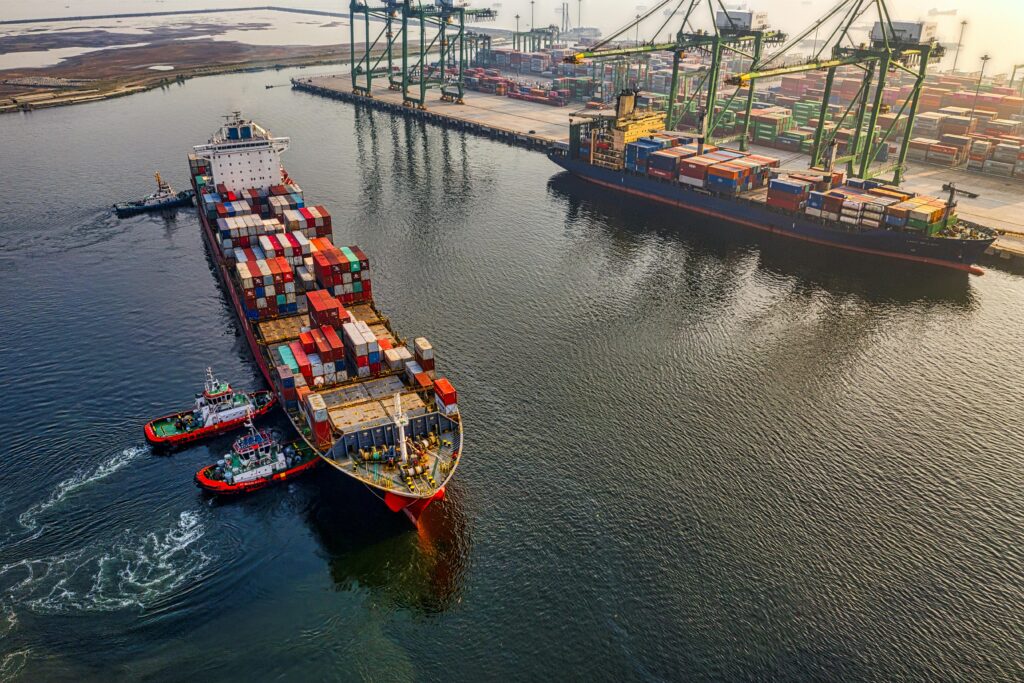
How to Start an Export Business: A Complete Guide by Globax Solutions
Step 1: Preparation and Business Planning
The foundation of any successful business lies in its planning.
Market Research: Decide what product you will export and to which country. Understand the market demand, competition, and government regulations.
Example: Do you have access to high-quality spices or handicrafts in your region that are in demand in Gulf countries?
Business Structure: Determine the legal structure of your company (e.g., Proprietorship, Partnership, or Private Limited).
Company Name and PAN: Finalize your company name and obtain the mandatory PAN (Permanent Account Number).
Step 2: Essential Registrations and Licenses
To start an export business, certain legal and mandatory documents are required:
1. Obtaining the IEC (Import Export Code)
The IEC is the most crucial license for any import or export business. It is issued by the DGFT (Directorate General of Foreign Trade).
Why It’s Essential: Without an IEC, you cannot legally ship or receive goods through customs.
How to Obtain It: Apply online through the official DGFT website.
2. Bank Account
Open a Current Account that is specifically designated for export-import transactions.
3. RCMC (Registration-cum-Membership Certificate)
The RCMC is obtained from an Export Promotion Council (EPC). It qualifies you for export incentive schemes and benefits provided by the government.
Step 3: Product and Buyer Identification
Identifying the right product and the right buyer is key to success.
Product Selection: Choose products where you have local knowledge and which have strong international demand (e.g., textiles, pharmaceuticals, agricultural produce).
Finding International Buyers:
Trade Fairs: Participate in international trade shows and exhibitions.
B2B Portals: Utilize online B2B portals like Alibaba and TradeIndia.
Embassies/Consulates: Contact foreign embassies and trade commissions.
Step 4: Shipping and Documentation
Once you receive an order, managing shipping and documents becomes paramount.
| Essential Document | Purpose |
| Commercial Invoice | The bill for the goods sent to the buyer. |
| Packing List | Detailed description of the contents in the shipment. |
| Bill of Lading (B/L) / Airway Bill (AWB) | Receipt of goods from the shipping company and document of title. |
| Certificate of Origin | Certifies that the goods were manufactured in India. |
Freight Forwarder: Hire a reliable freight forwarder who will efficiently assist you with customs clearance and shipping logistics.
Step 5: Payment and Risk Management
Payment Terms: Use secure payment methods like L/C (Letter of Credit) or D/P (Documents Against Payment).
ECGC (Export Credit Guarantee Corporation): Secure insurance from ECGC to cover the risk of non-payment by the buyer.
Conclusion
Starting an export business is a challenging yet highly rewarding journey. With the right planning, mandatory legal compliance, and guidance from a partner like Globax Solutions, you are well-positioned for success.
Contact us for more details of & Your registration
Our team will be happy to assist you
Mobile: +91-790-200-2800