 info@globaxsolutions.com
  +91-790-200-2800
How to Start Export Business in India
A Complete Guide for Beginners
India has become one of the fastest-growing markets for international trade, offering excellent opportunities for entrepreneurs, manufacturers, and suppliers to expand their businesses globally. With increasing demand for Indian products across international markets, many businesses are exploring export opportunities.
If you are planning to enter the global market, understanding How to start export business in India is the first step toward building a successful export journey. From selecting the right product to completing legal requirements and managing export documentation, every step plays an important role in creating a profitable export business.
Globax Solutions helps businesses with export documentation, compliance support, and trade-related services to make the export process smoother and easier.
Understand the Export Business Process
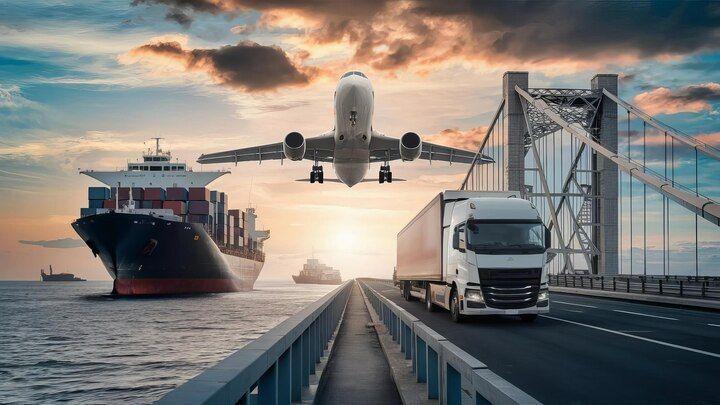
Before starting an export business, it is important to understand how international trade works. Exporting means selling products or services to customers in foreign countries. Businesses need to identify suitable products, target international markets, understand buyer requirements, and follow export regulations.
A successful export business requires proper planning, market research, documentation knowledge, and compliance with government rules.
Step 1: Select the Right Product for Export
The first step in learning How to start export business in India is choosing the right product. India exports a wide range of products including:
- Textiles and garments
- Handicrafts and handmade products
- Agricultural products
- Leather goods
- Machinery and industrial products
- Home décor items
Choose a product that has international demand and matches your business capabilities. Researching global trends and customer preferences can help you identify profitable export opportunities.
Step 2: Research International Markets
Understanding your target market is essential before exporting products. Different countries have different customer preferences, quality standards, and import regulations.
Market research helps you understand:
- Demand for your product
- Competitor pricing
- Buyer requirements
- Shipping costs
- Country-specific regulations
Choosing the right market increases your chances of building long-term international business relationships.
Step 3: Register Your Export Business
To start exporting legally, businesses need to complete certain registrations and obtain required approvals. Some important requirements include:
Business Registration
You need a legally registered business entity such as a proprietorship, partnership, LLP, or private limited company.
Import Export Code (IEC)
IEC is one of the most important requirements for starting an export business in India. It is issued by the government and allows businesses to participate in international trade.
GST Registration
GST registration is required for businesses involved in export activities to comply with taxation requirements.
Proper registration helps businesses operate legally and build trust with international buyers.
Step 4: Prepare Export Documentation
Documentation is one of the most important parts of international trade. Many new exporters face challenges because of incorrect or incomplete paperwork.
Common export documents include:
- Commercial Invoice
- Packing List
- Shipping Bill
- Bill of Lading
- Certificate of Origin
- Export License documents (if required)
Professional export documentation support helps businesses avoid mistakes and ensures smoother customs clearance.
Step 5: Find International Buyers
Finding reliable buyers is a major step in building an export business. Businesses can connect with international customers through:
- B2B marketplaces
- Trade exhibitions
- Export promotion councils
- Online marketing
- Business networking
Building strong relationships with buyers helps create repeat export opportunities.
Step 6: Understand Shipping and Logistics
Export businesses must understand international shipping procedures, freight options, packaging requirements, and delivery timelines.
Choosing the right logistics partner helps ensure safe and timely delivery of products. Exporters should also understand shipping terms such as FOB, CIF, and other international trade practices.
Step 7: Manage Export Compliance
Every country has different import regulations and standards. Exporters must ensure that their products meet quality, safety, and documentation requirements.
Working with experienced export consultants can help businesses understand compliance procedures and avoid unnecessary delays.
Benefits of Starting an Export Business in India
Starting an export business provides several advantages:
Access to Global Markets
Businesses can reach customers beyond domestic markets and increase sales opportunities.
Higher Growth Potential
International markets can provide opportunities for expansion and long-term business growth.
Government Support
Indian exporters can benefit from various trade support programs and export promotion initiatives.
Business Expansion Opportunities
Exporting helps businesses build a global brand presence and develop international partnerships.
How Globax Solutions Helps New Exporters
Starting an export business can seem complicated due to documentation and compliance requirements. Globax Solutions provides professional assistance to businesses looking to enter international markets.
From export documentation support to compliance guidance, the company helps exporters manage important procedures efficiently. Their expertise allows businesses to focus on product development and finding global buyers while handling trade-related documentation professionally.
Conclusion
Understanding How to start export business in India is essential for anyone planning to enter international trade. A successful export business requires the right product, proper registrations, accurate documentation, market knowledge, and compliance management.
With proper planning and professional support, businesses can successfully expand into global markets and create new growth opportunities. Exporting is not only a way to increase revenue but also an opportunity to build a strong international business presence.